March, 25, 2025
Rohingya’s prolonged issues urgently need to be addressed
RHRC-Over 2,50,000 Rohingya fled Myanmar to Bangladesh to escape harsh persecutions of the Myanmar military junta in 1991. More than 2,28,000 Rohingya returned to Myanmar through the tripartite negotiation of UNHCR, Myanmar and Bangladesh after 1994. About 22,000 refugees have remained in two camps, Kutupalong and Nayapara whose return has repeatedly been denied by Myanmar and the figures have grown to approximately 36,000 with newborns and others. These Rohingya with the refugee status under the UNHCR’s supervision and insufficient humanitarian support have been enduring difficult life with various challenges of livelihood opportunities and dire living conditions in an uncertain future without any formal education opportunity for the children in the precarious camps since their prolonged issue is overlooked. Hundreds of innocent Rohingya were brutally killed and injured by the Rohingya active armed groups in the camps.
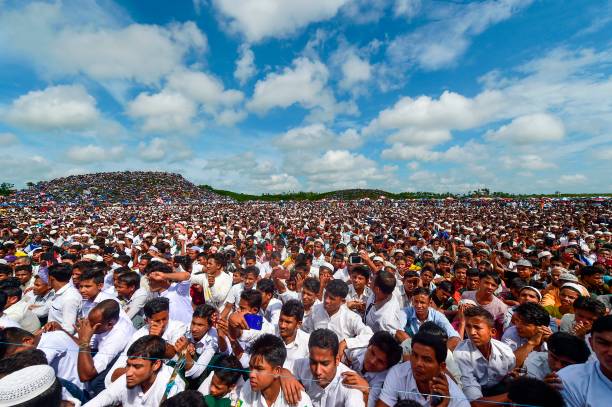
In the meanwhile, another more than 1 million Rohingya fled genocide of Myanmar security forces and living a very hard life in dire condition in southern city of Cox’s Bazar, Bangladesh in 2016 and 2017 adding another burden for Bangladesh. Their return to Myanmar is also remaining uncertain as the Myanmar government has been denying their rights to citizenship.
Since the escalation of intense clashes between the Arakan Army and the Myanmar Armed Forces in 2023 in Rakhine, the remaining Rohingya have fallen trapped, killed, inured, forced disappearance and displaced in various ways facing immense challenges to survive amid the difficult situation where the movement is strictly restricted for the Rohingya. The overall worsen situation including destitute conditions ultimately forced them to flee Myanmar to Bangladesh in search of a safe life. With the expectation of safe life in Bangladesh, thousands of Rohingya have died when their rickety boats capsized the Naf-river.
Registered refugees concerned about their biographical family confidential information
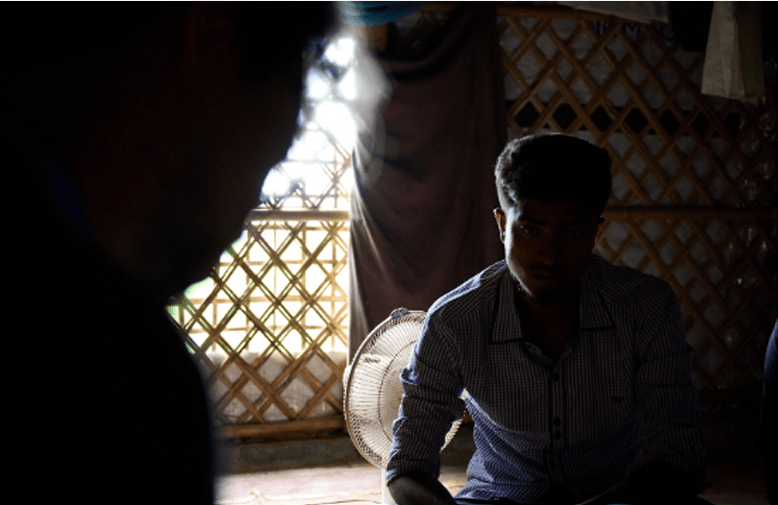
Rohingya refugees in Bangladesh have expressed deep concern over allegations that UNHCR is likely to grant access to their biometric data with the government without their consent. It is deeply troubling if the UNHCR in Bangladesh, which is supposed to stand for refugee protection, fails to uphold its own principles. Sharing refugees’ personal data without consent is a serious violation of trust and a breach of the 1951 Refugee Convention, a Rohingya community leader said.
An elderly Rohingya says, “For over 33 years, I have been made stateless, homeless, and voiceless. And now news articles published by various local and international print media say UNHCR has agreed to grant access to our database to the government. But the refugees were registered with UNHCR under the clear condition that our Biometric Identity Management System (BIMS) data would not be shared with any external parties until a durable solution was ensured. If the UNHCR shares our BIMS with any government before ensuring a durable solution, it will mean that UNHCR is destroying our lives and putting us at risk”.
Tragedy in Naf River: Four Dead, Several Missing including BGB Personnel
“On March 22, an engine boat carrying dozens of Rohingya trying to enter Bangladesh from Myanmar capsized in the Naf River near Shah Porir Dwip. The boat, which got a leak, sank in the early morning, resulting in the deaths of at least 4 people, including three women and a child. Several others, including a Border Guard Bangladesh (BGB) member, were missing. Sadly, on 23th March, BGB member Mohammed Belal was found dead. He lost his life while trying to rescue helpless Rohingyas drowning in the waters of the Naf River between Bangladesh and Myanmar. Rohingya living in Bangladesh camps are expressing their deep condolences to the bereaved family members of the brave and martyred BGB personnel”, a refugee teacher, Zubair from camp 12 said.
“The sunken trawler has been recovered, but the search for missing individuals continues,” said Lt Col Md Ashiqur Rahman, the commanding officer of BGB’s Teknaf 2 Battalion. “We are working with locals to ensure that everyone unaccounted for is found.”
Rohingya’s urgent appeal
The Rohingya refugees urge the international community, including the United Nations and Bangladeshi authorities, to actively work in cooperation with powerful countries of Asia as well as western to ensure a certain future for the marginalized Rohingya with a durable solution in order that they may not be a burden on Bangladesh and any other countries.