August 26, 2026
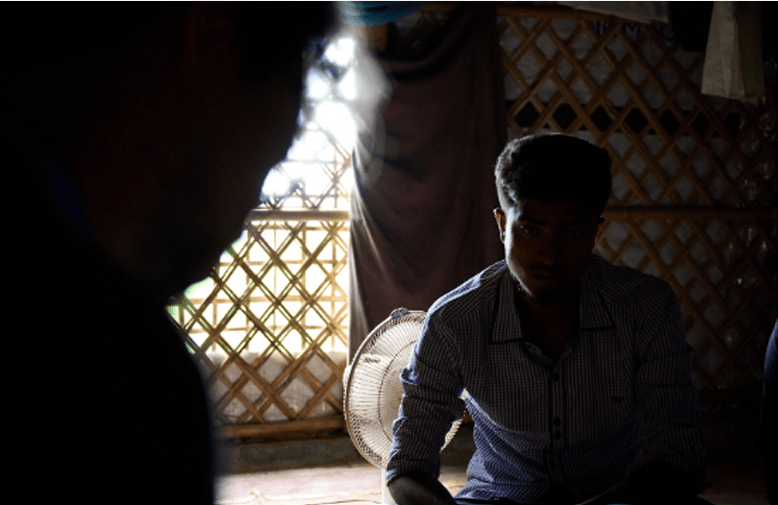
RHRC – On 20 August 2026, government officials, researchers, humanitarian actors and Rohingya representatives gathered in Cox’s Bazar for a discussion on the future of Rohingya repatriation. The discussion, titled “How Far is the Future of Rohingya Repatriation”, was organized by Bay Insight and Embolden Bangladesh.
Participants stressed that repatriation must be voluntary, safe, dignified and sustainable. Rohingya representatives highlighted the need for security, recognition of Rohingya identity, citizenship, freedom of movement, access to homes and livelihoods, and meaningful Rohingya participation in decisions about their future.
The discussion took place amid continuing concerns over Myanmar’s verification and repatriation plans and the lack of conditions necessary for a safe and sustainable return.
Rohingya Continue to Flee Arakan
In August 2026, Nearly nine years after the 2017 mass displacement, Rohingya continued to flee violence and persecution in Arakan. According to UNHCR, around 150 newly arrived Rohingya are approaching UNHCR in Bangladesh each week, reporting armed conflict, airstrikes, arrests, discrimination, movement restrictions and loss of livelihoods.
The continuing arrivals show that the conditions that forced Rohingya to flee have not been resolved. At the same time, the humanitarian response in Bangladesh is facing a serious funding shortage, putting essential services and refugee families under increasing pressure.
Some Rohingya are also taking dangerous sea journeys towards Malaysia and Indonesia, exposing themselves to trafficking, abuse, detention and the risk of death.
Rohingya Call for Justice and Rights in Dhaka
On 23 August 2026, Rohingya representatives, researchers and rights advocates gathered at the National Press Club in Dhaka to discuss the Rohingya crisis and possible ways forward.
Rohingya representative Mujibullah said, “We do not want sympathy; we want justice and our rights.” Speakers stressed that a lasting solution must address the situation in Myanmar, including citizenship, security, freedom of movement, land rights and political participation.
Rohingya representatives also called for greater Rohingya involvement in decisions concerning repatriation and their political future.
Ninth Rohingya Genocide Remembrance Day
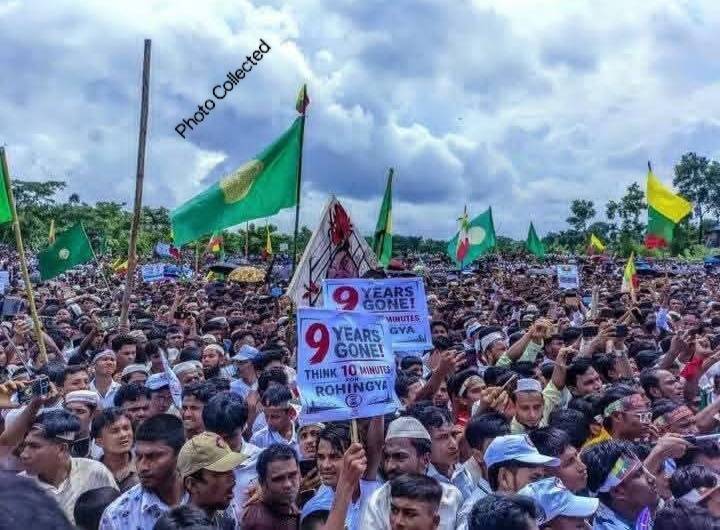
On 25 August 2026, thousands of Rohingya gathered at the football field in Camp 4 Extension in Ukhiya to mark the ninth Rohingya Genocide Remembrance Day. Organised by the United Council of Rohingya (UCR), the event was held under the theme “Nine Years Gone, Think Ten Minutes for Rohingya.”
Participants remembered those killed during the 2017 genocide and renewed their calls for justice, accountability and a safe, voluntary and dignified return. Speakers also called for citizenship, security, freedom of movement and sustainable livelihoods in their homeland.
Participants raised a clear message: “Our final words are one: We want to return to Arakan.”
Humanitarian Assistance Under Pressure
On 26 August 2026, the Rohingya humanitarian response continues to face serious funding challenges. The 2026 Joint Response Plan requires US$710 million, but only around two-thirds of the appeal has been funded.
The funding gap is affecting essential services, including education, healthcare, sanitation and protection. With limited livelihood opportunities, many refugee families are becoming increasingly vulnerable to debt, exploitation and other harmful coping strategies.
Maintaining humanitarian assistance remains critical while longer-term solutions are pursued.
A Message After Nine Years
The recent discussions, humanitarian situation and Genocide Remembrance Day all point to one consistent message: Rohingya want to return home, but they want to return with rights and dignity.
After nine years of displacement, Rohingya continue to face insecurity and limited opportunities in Bangladesh, while violence and restrictions in Arakan continue to prevent a safe and sustainable return.
A lasting solution requires more than repatriation. It requires safety, citizenship, recognition of Rohingya identity, freedom of movement, access to homes and livelihoods, basic rights, meaningful participation and justice.
Rohingya want to return home not simply to cross a border, but to live with safety, rights, justice and dignity.