September 8, 2026
RHRC – Rohingya communities in Arakan State and the refugee camps in Bangladesh continue to face violence, loss, disease, and economic hardship. In recent weeks, several incidents have raised concern among Rohingya communities, including the deaths of children, armed violence in the camps, an unexplained death, a disease outbreak, rising food prices, and reports of kidnapping and torture.
Violence Continues to Put Lives at Risk
On 27 August, 2026, a young Rohingya child was killed during an armed confrontation in Camp 8 East. Reports gave different information about the child’s name and age. The child was shot in the head and later died in hospital. His mother was also injured. Police said seven people were injured during the incident, including three women. Residents reported hearing gunfire for several hours around Blocks B-40 and B-41. Families were forced to stay inside their shelters or move away from exposed areas. The groups involved in the shooting were not clearly established.
On 29 August, 2026, a Rohingya security guard working with Islamic Relief Bangladesh was seriously injured after being shot in the neck while on night duty at a shelter warehouse in Camp 3. The guard, Abdul Goffor, was taken to hospital for emergency treatment. According to information received by Rohingya Khobor, armed men entered the warehouse area and tried to move shelter materials. It remains unclear who carried out the attack or whether any materials were taken.
Families Continue to Lose Loved Ones
On 28 August, 2026, a Rohingya madrasa student who had travelled from Bhasan Char to visit relatives in the Cox’s Bazar camps was found dead at a graveyard in Camp 8 West. The deceased was identified as Mohammed Jubair, a student at Fotiya Madrasa. He had travelled from Bhasan Char on August 24 to visit his sister in Camp 4. The circumstances of his death remain unclear, and the cause of death could not be independently confirmed.
On 3 September, 2026, an eight-year-old Rohingya child, Arman Sha, died at Hakimpara Camp 14, Block E/03, after reportedly slipping and falling while coming down a hill. Arman was the son of Md. Solim and Fatema. His death deeply saddened his family and neighbours. The incident also shows the everyday risks faced by families living on steep and difficult land inside the camps.
Kidnapping and Torture Remain a Serious Concern
On 5 September, 2026, a video showing a young Rohingya boy being beaten and tortured circulated widely on social media. The video caused widespread concern within the Rohingya community. Information shared with the video claimed that the boy had been kidnapped by an armed group and that the group sent the video to his parents while demanding money for his release.
However, the boy’s identity, the exact location of the incident, and the identity of those responsible have not been independently confirmed. These details should therefore be treated with caution until they can be verified.
Disease Outbreak Adds to the Humanitarian Crisis
On 26 August, 2026, a serious diarrhoeal disease outbreak was reported in and around Rohingya displacement camps in Sittwe Township. At least six people reportedly died and 227 others were affected. The illness was described as severe diarrhoea, but it was not confirmed whether it was cholera or another disease.
Movement between some camps and nearby villages was reportedly restricted as authorities tried to control the outbreak. Measures such as disinfecting wells and water tanks were introduced. However, residents said the restrictions also made it harder to access food, medicine, markets, and healthcare.
The outbreak has again raised concerns about the difficult living conditions and limited access to basic services faced by Rohingya communities around Sittwe.
Rising Food Prices Put More Pressure on Families
On 2 September, 2026, Rohingya families in Kyauktaw Township reportedly faced increasing financial pressure as rice prices continued to rise while incomes remained low and irregular.
Residents said a 48-kilogram sack of rice that cost around 70,000–75,000 Myanmar kyats about two months earlier was selling for around 85,000–120,000 kyats in some areas. Day labourers reportedly earned around 15,000–20,000 kyats on days when work was available.
For many families, most of their income is now being spent on food, leaving little for other basic needs. Rohingya education workers are also struggling. One volunteer teacher said he was teaching without payment while trying to support his family. The reported prices and wages could not be independently verified.
A Difficult Time for Rohingya Communities
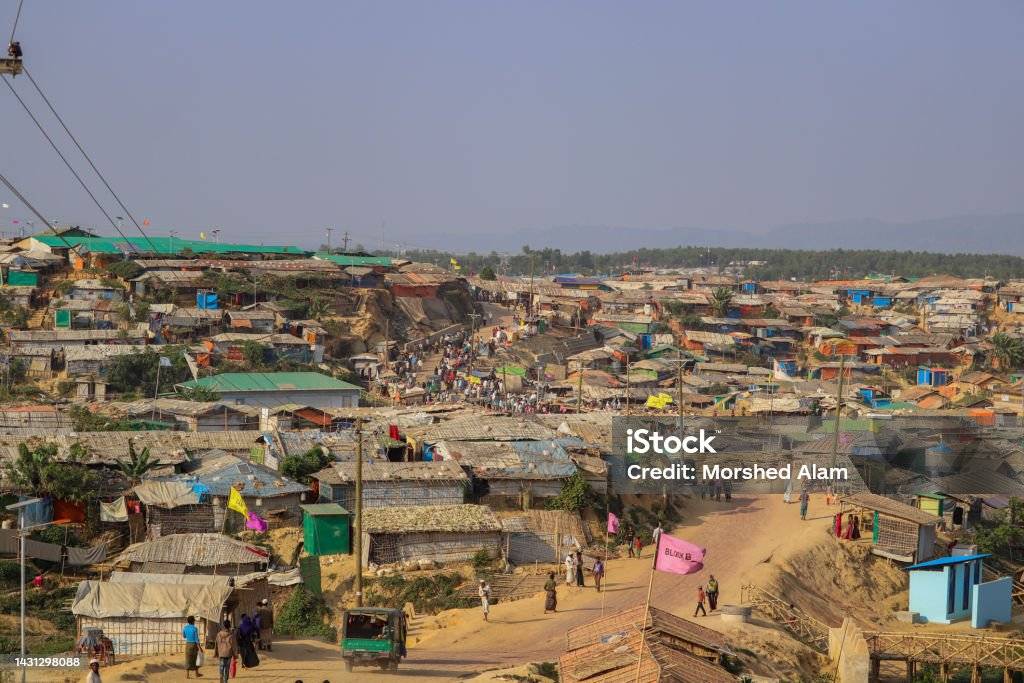
The recent incidents show that Rohingya communities continue to face many challenges at the same time. In Bangladesh, families living in crowded refugee camps remain vulnerable to armed violence, kidnapping, accidents, and other security risks. In Arakan State, Rohingya communities continue to face conflict, displacement, disease, and economic hardship.
For many Rohingya families, these problems are not separate. Violence, poverty, disease, and limited access to basic services continue to affect their daily lives and create greater uncertainty about the future.