March 9, 2025
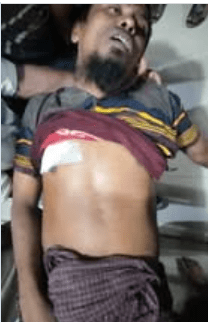
RHRC-The Rohingya refugee camps in Cox’s Bazar, Bangladesh, were meant to give safety and security for the genocide and persecuted Rohingya in Myanmar. Instead, rather than chancing retreat, the nearly one million Rohingya in the camps now face growing violence of armed groups such as, a wave of kidnappings, killings, instability, violence and leaving thousands of refugees in fear. Recently, at least 6 refugees have been murdered in each month, and many more have been abducted, raising deep concerns behind the deteriorating security situation.
Increase in kidnappings and murders
According to the camp’s situation, armed gangs operating inside the camps are responsible for targeting activists, religious leaders, and ordinary refugees. Many victims are kidnapped for ransom, while others speak out against injustice and criminal activities or resist vicious control and frequently pay with their lives.
Reports of kidnappings, targeted murder, sexual violence, high way kidnapping, and mortal trafficking have surged frequently. “My two neighbors were arrested on the highway. We have no money to pay the ransom, and now we fear we may never see them again,” said Nur Mohammad, a father from Camp 26.
Most of the crimes indicate that rival armed groups, including factions linked to the Arakan Rohingya Salvation Army (ARSA), are competing for control over the camps, and both of the groups have turned the camps into a war zone. As a result, various crimes and violence have increased, with clashes occurring, leading to a threat to general refugees almost every day.
These two groups operate freely because the law enforcing agencies are unable to arrest the culprits as they manage to take shelter into the deep forest to the west of the camps. Refugees live in constant fear, unsure of who will be targeted next.
Bangladesh Authorities Under Pressure
Due to the rising violence, Bangladeshi authorities have struggled to curb the situation, and security forces have attempted to crack down on criminal networks. Additionally, law enforcement efforts often fall short, but they are working to strike these criminal networks and ensure the safety of the Rohingya camps, but due to densely populated camps, it is difficult to conduct effective security operations.
International Concern and Calls for Action
The escalating violence inside the Rohingya camps requires urgent international attention, and refugees should not have to live in fear. The ongoing crisis of the Rohingya people, resulting from genocide and persecution, cannot be ignored, and immediate action must be taken by the international community with the effort to ensure their safety and peacebuilding. Without free investigation, revealing the truth of rising violence is tough for a meaningful solution, and this will focus on eliminating challenges for survival of the refugees.
The world should not remain silent while the Rohingya people continue to suffer. If the human rights organization focuses on the ongoing crisis, more lives will be saved, and the stability will be restored throughout the camps.
A Community Living in Fear
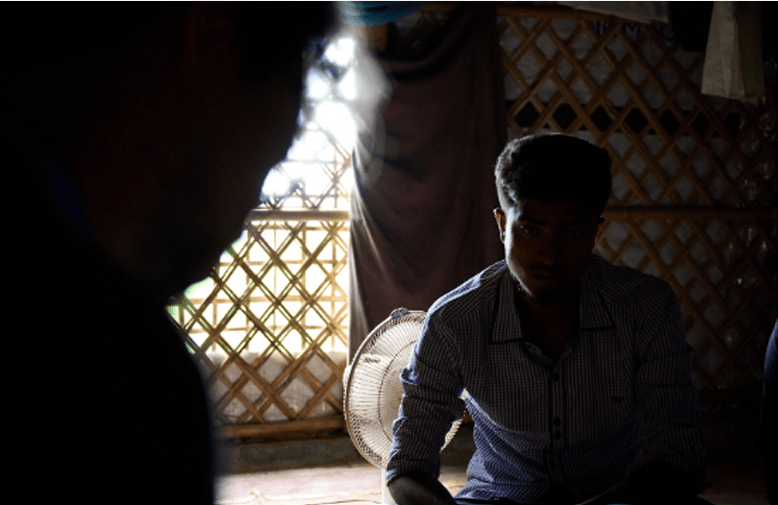
For most of the Rohingya, life in the camps has become unbearable. Parents are no longer allowed to go outside after dark and are very afraid to travel anywhere. Community leaders and spokespeople are forced into hiding, and all the activists are in fear to save their lives and not to be kidnapped and murdered in the next target.
“We came here with hope to be safe, but every day we feel more trapped like animals, and we might be killed at any time. If this continues, there will be no guarantee of our life,” said a young Rohingya woman from Camp 26. Unless the security crisis is addressed, the camp’s situation will be worse in the future. However, further lives will be lost to kidnappings and killings if the world remains silent.
The RHRC urges the international community, human rights organizations, and the Bangladesh government for immediate action to hold perpetrators responsible and ensure a secure life for the most vulnerable communities in the world.