January 11, 2026
RHRC – In a stark escalation of the decade-long crisis, Rohingya communities are reporting a terrifying new campaign of forced military conscription by the Arakan Army (AA) inside Myanmar, while those who fled to Bangladesh face fresh violence and fire in the overcrowded refugee camps.
The developments, reported throughout the first week of January, paint a picture of a people trapped in an impossible bind: targeted in their homeland and imperiled in their refuge.
“No Man, Then a Woman Must Go”: Conscription Orders in Rakhine.
In northern Rakhine State, the AA, an ethnic armed organization engaged in a major offensive against Myanmar’s military junta, is now forcibly recruiting Rohingya civilians, according to multiple residents.
The most detailed account comes from Kyauk Hla Ka village in Maungdaw Township. Villagers told local media that on January 7, AA members held a meeting at a school, ordering every Rohingya household to provide one person for military service. The directive, they said, left no room for refusal and explicitly included women and children under 18.
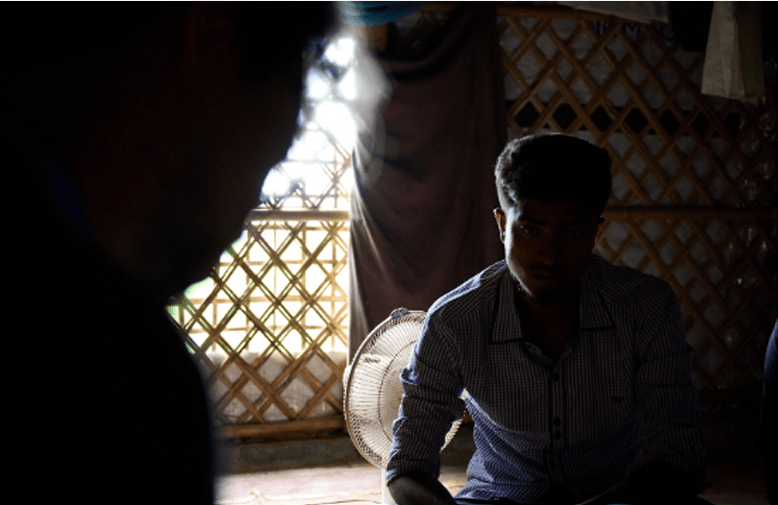
“They told us clearly that if there is no man in the house, a woman must go,” one resident said, speaking on condition of anonymity out of fear. “Everyone was frightened. No one dared to speak.”
The AA reportedly collected household registration lists and warned that non-compliance would lead to severe punishment or being labeled an enemy collaborator.
This pattern was repeated in Shwe Zar village tract, also in Maungdaw, on the same day. There, the AA blockaded the village and presented a pre-written list of 44 Rohingya youths including young women, demanding their preparation for military training. Families were told refusal would result in expulsion from the country.
“They said all 44 must go for training sooner or later,” another villager recounted. “We are simple villagers. We do not want war.”
These events follow earlier pressure. Exactly one year prior, on January 6, 2025, Rohingya in Shwe Zar were forced to sign agreements to attend military meetings.
Adding to the climate of fear, three Rohingya from Buthidaung Township including a 15-year-old boy and a woman were abducted by the AA on January 4 over unproven allegations of aiding a rival group. They remain in detention without further details. Their families are worried about their safety.
A Perilous, Blocked Escape
With movement severely restricted by checkpoints and expensive travel permits, many Rohingya see flight as their only option. Yet that route is also being cut off.
On December 31, 2025, the Myanmar Navy intercepted a boat carrying 233 Rohingya from Maungdaw and Buthidaung attempting to reach Malaysia. While 28 children aboard were released on January 5, the adults now face legal prosecution, a move human rights groups condemn as punitive.
Safety Concerns for Camp Residents
For the over one million Rohingya who previously fled to Bangladesh, safety remains elusive.
On January 7, two separate fires broke out in the Cox’s Bazar camps. The first damaged a Save the Children facility in Camp 19. Hours later, a second blaze in Camp 11, which sources suspect was arson, was barely contained by residents.
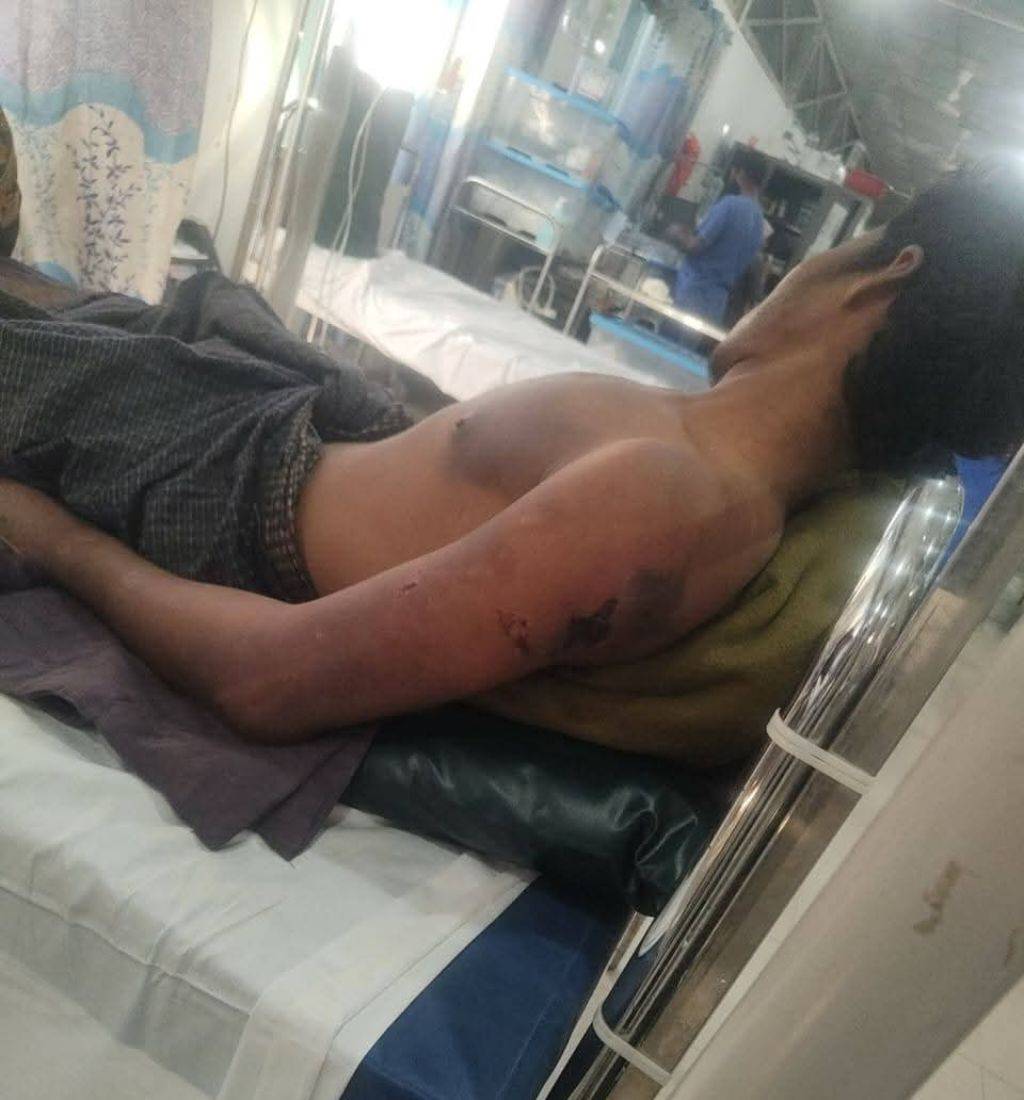
The very perimeter of the camps is also dangerous. On January 8, a Rohingya man who ventured out to find work was kidnapped by locals, brutally beaten, and burned with a firebrand before being rescued by the Bangladeshi Army.
A Defiant Claim for Belonging
Amidst the fear, a powerful political statement emerged. On January 4, Myanmar’s Independence Day, Rohingya refugees in Cox’s Bazar gathered to declare the nation’s freedom incomplete without them.
“Independence can only be meaningful when Rohingya receive full citizenship and equal rights,” said Jahangir Alam of the United Council of Rohingya (UCR), which organized the event. The gathering served as a direct rebuttal to the systemic exclusion that has defined their existence for decades.