July 21, 2025
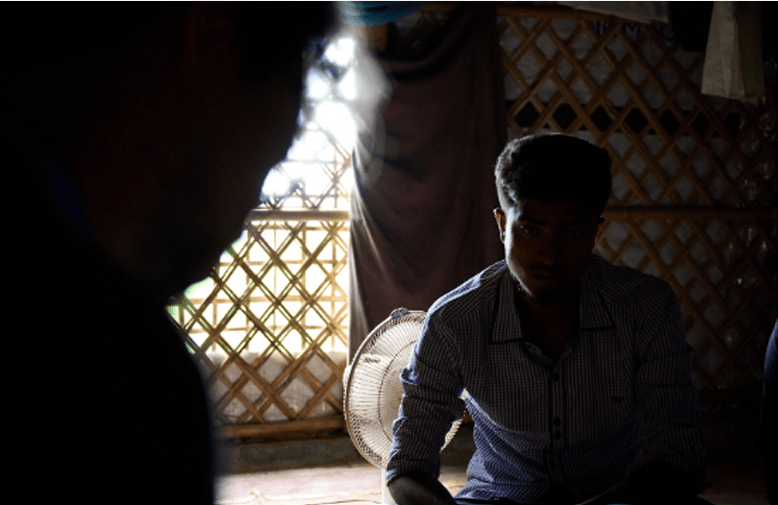
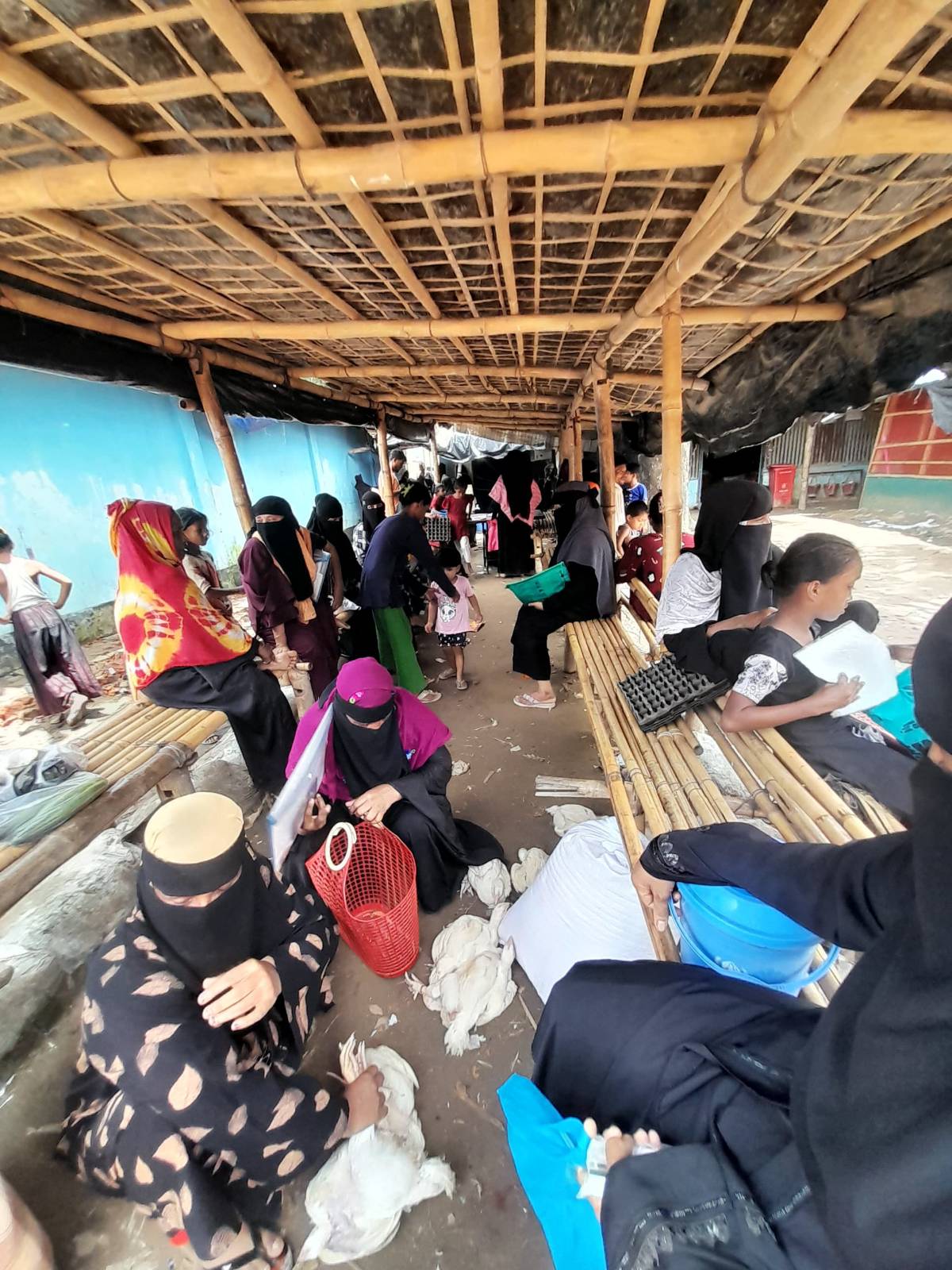
RHRC-The Rohingya, a predominantly Muslim ethnic minority from Myanmar’s Rakhine State, have endured decades of persecution, statelessness, and displacement. Systematically denied citizenship under Myanmar’s 1982 Citizenship Law and subjected to repeated waves of violence, they were forced into a mass exodus in 2017 when military crackdowns drove over 700,000 across the border into Bangladesh. Recently, more than 1.1 million Rohingya live in overcrowded refugee camps in Cox’s Bazar, while hundreds of thousands remain trapped in Rakhine under conflict, facing restrictions on movement, work, and aid. Therefore, eight years after the 2017 exodus, their plight is worsening. Food shortages, escalating violence, and collapsing humanitarian funding threaten to plunge the Rohingya into one of their gravest crises yet.
Funding Threatens Cox’s Bazar Services
On 11 July 2025, the United Nations High Commissioner for Refugees (UNHCR) sounded the alarm: its US$255 million appeal for Rohingya refugees in Bangladesh is only 35% funded, leaving critical services on the verge of shutdown. Without immediate donor support, healthcare systems are projected to collapse by September, and food distributions could end by December 2025.
“These funding gaps will affect the daily living of Rohingya refugees, their ability to eat, access medical care, and educate their children,” UNHCR spokesperson Babar Baloch warned. Over 150,000 additional Rohingya have arrived since 2017, further straining already overstretched resources. Aid groups caution that without funding, malnutrition rates will soar, diseases will spread, and unrest may erupt within the camps, where refugees depend almost entirely on external assistance for survival.
New Arrival Strain Biometric Registration
The refugee population continues to grow, despite Bangladesh’s strict border controls. In the last 18 months, 150,000 new Rohingya refugees have fled ongoing violence in Myanmar, marking the largest influx since 2017. Over 121,000 have undergone biometric registration, allowing aid agencies to distribute rations more efficiently and prevent duplication. Yet, even with these measures, shelters, clinics, and schools remain overwhelmed. Basic services are barely functioning, and the monsoon season threatens to worsen conditions. Tensions between refugees and local Bangladeshi host communities are also rising. Local NGOs report disputes over dwindling resources, job competition, and environmental degradation, as forests are stripped for firewood and shelters.
Renewed Violence and Displacement in Rakhine State
Although July has seen fewer large-scale battles, sporadic fighting continues in northern Rakhine, according to UN field reports. The Arakan Army (AA), which has expanded its control since mid-2024, holds key areas like Maungdaw and Buthidaung, where Rohingya villages have been destroyed and food scarcity is acute. Humanitarian convoys face regular blockades by both AA forces and Myanmar’s military, leaving thousands of civilians, including the elderly and children, trapped without aid. Witnesses report that families are surviving on diluted rice porridge or livestock feed as their food reserves run out. Rights monitors have documented forced recruitment of Rohingya men, arbitrary detentions, and reports of civilians being used as human shields, actions that may amount to war crimes under international law.
Regional Political Fallout and Urgent Priorities
On 18 July 2025, political tensions surrounding the Rohingya issue spilled into India when West Bengal Chief Minister Mamata Banerjee denied rumors that her state harbors “17 lakh Rohingya.” Banerjee criticized the claims as political tactics to stigmatize Bengali-speaking citizens, saying “Rohingya are from Myanmar, not West Bengal.”
Her remarks reflect growing regional unease, as the Rohingya crisis becomes entangled in domestic politics across South Asia. Analysts warn that such rhetoric risks fueling anti refugee sentiment and hampering cross border cooperation.
Meanwhile, aid conditions worsen. A 1 July Reuters report revealed that U.S. aid cuts, including USAID suspensions, have further crippled humanitarian operations in Cox’s Bazar. Cross border tensions also remain, as AA control of Maungdaw continues to disrupt trade and aid routes.
Crisis near Breaking Point As Aids Runs Dry
UN agencies warn that the Rohingya crisis is nearing a breaking point. Without an urgent US$160 million funding added by September, essential health services in Cox’s Bazar are expected to collapse, with food aid projected to run out by December 2025.
Humanitarian groups are calling for immediate global action to prevent a full-scale disaster. Their top priorities include putting together donors to close the UNHCR funding gap, expanding biometric registration to ensure equitable aid distribution, and pressuring both the Myanmar junta and the Arakan Army to allow unhindered humanitarian access.
Regional cooperation is also urgently needed to address rising anti refugee sentiment, ensure refugee protection and pursue long term solutions such as voluntary repatriation or third country resettlement. Therefore, without swift and coordinated intervention, adds official warning, the crisis could escalate into a wider regional emergency with feminine, mass displacement and instability spreading across South and Southwest Asia.