October 28, 2025
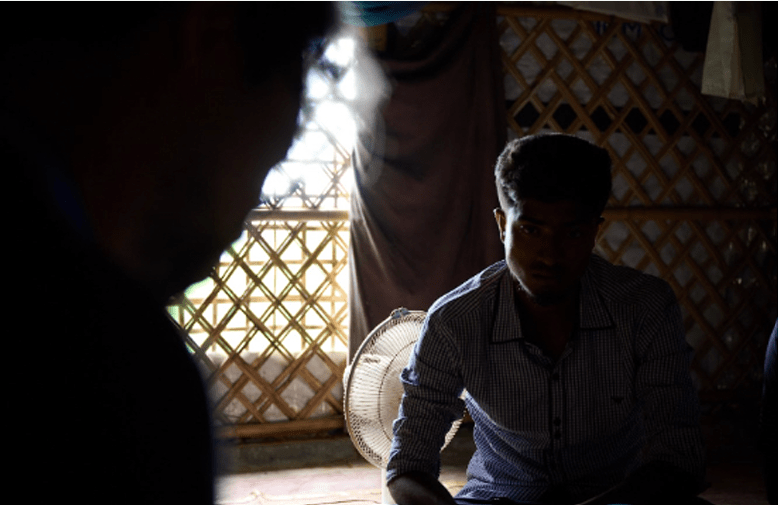
RHRC-For the Rohingya, home and exile have both become cages. Across Myanmar’s Rakhine State, the Arakan Army (AA) tightens its grip through extortion and forced labor, while in Bangladesh, refugees face hunger, trafficking, and fear as aid dwindles.
Extortion and Silence in Rakhine
In northern Rakhine, Rohingya families now pay “security fees” of up to 8,000 Kyat each month just to stay in their homes. Those who can’t pay face threats or forced labor.
“We pay them so they don’t take our sons,” said one villager quietly.
On October 21, 22-year-old Ayat Hossain was reportedly killed by AA members after refusing an order — another name in a long list of victims silenced by fear.
Even movement comes at a price: permits costing 3,000 Kyat are required to travel for food or medicine. One villager said, “Even silence costs money here.”
An explosion in Buthidaung Township days later killed two young boys, spreading fresh panic in villages already scarred by violence.
Growing Desperation in Bangladesh Camps
Across the border, more than 970,000 Rohingya refugees are running out of food, hope, and safety. Rations have dropped to less than $10 a month, forcing families to skip meals or borrow money.
“I can bear hunger,” said a father in Camp 22, “but not my child’s tears.”
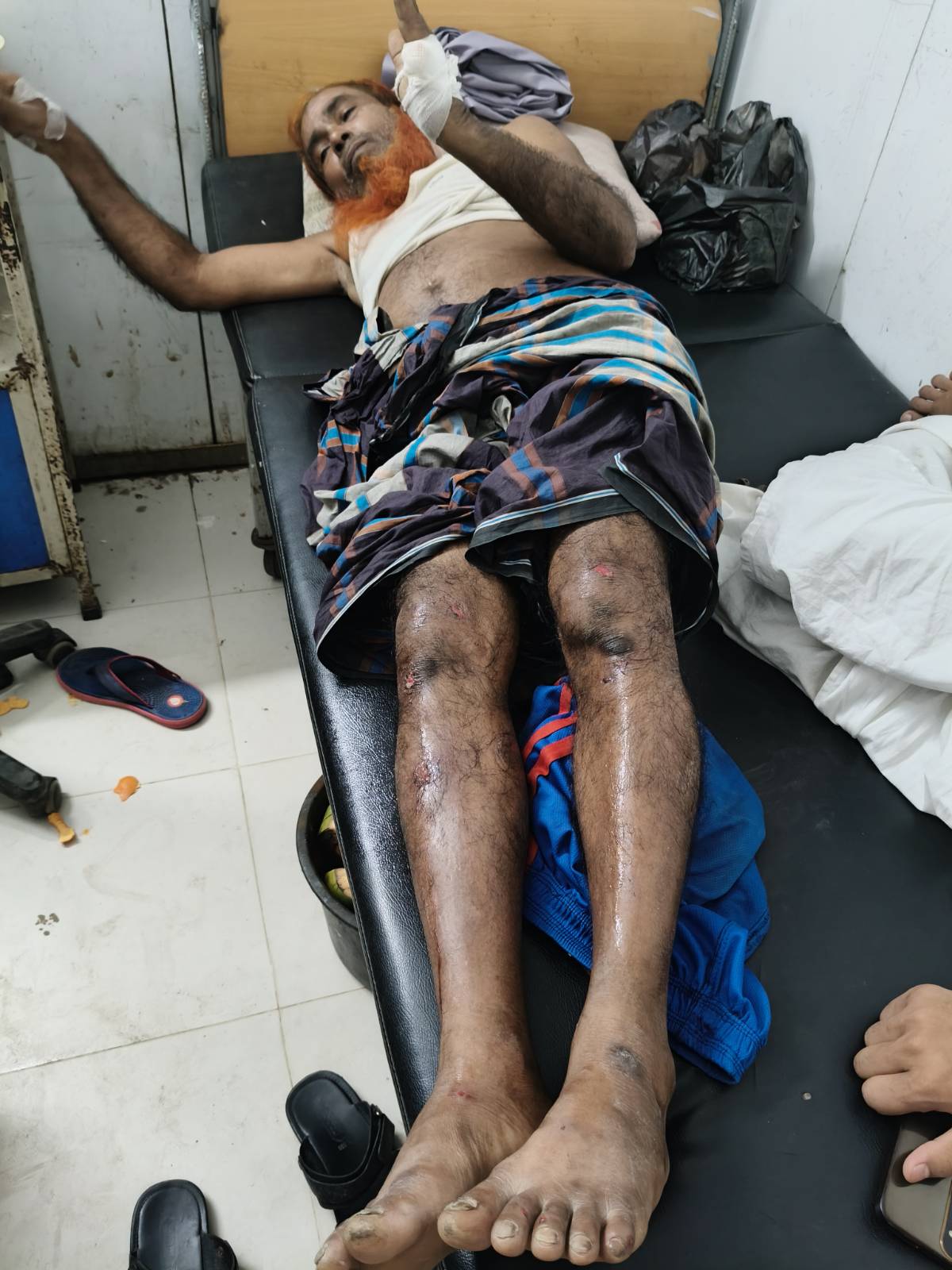
On October 22, police rescued 29 refugees trafficked from Cox’s Bazar. The same week, a man named Hossain Ahmed was kidnapped and released only after his family paid 300,000 Taka.
Humanitarian aid is collapsing. The World Food Programme and Bangladesh government warn of critical shortages, while South Korea’s $5 million pledge covers only a fraction of the need.
A Cry for Action
RHRC Director Habib Ullah said the world is “watching a slow-motion tragedy.”
“Every story we record is a life we refuse to forget,” he said. “But without action, these stories will keep repeating.”
Grassroots volunteers still hold the line — running makeshift schools and support groups in the camps — but their strength is stretched thin.
“We are strong because we have each other,” said Fatema, a community leader in Camp 15.
Hope Amid the Ruins
From Rakhine’s villages to Bangladesh’s camps, Rohingya families cling to hope — not for pity, but for justice.
“We want safety, not sympathy,” said a teacher in Kutupalong. “We just want to live like humans.”