

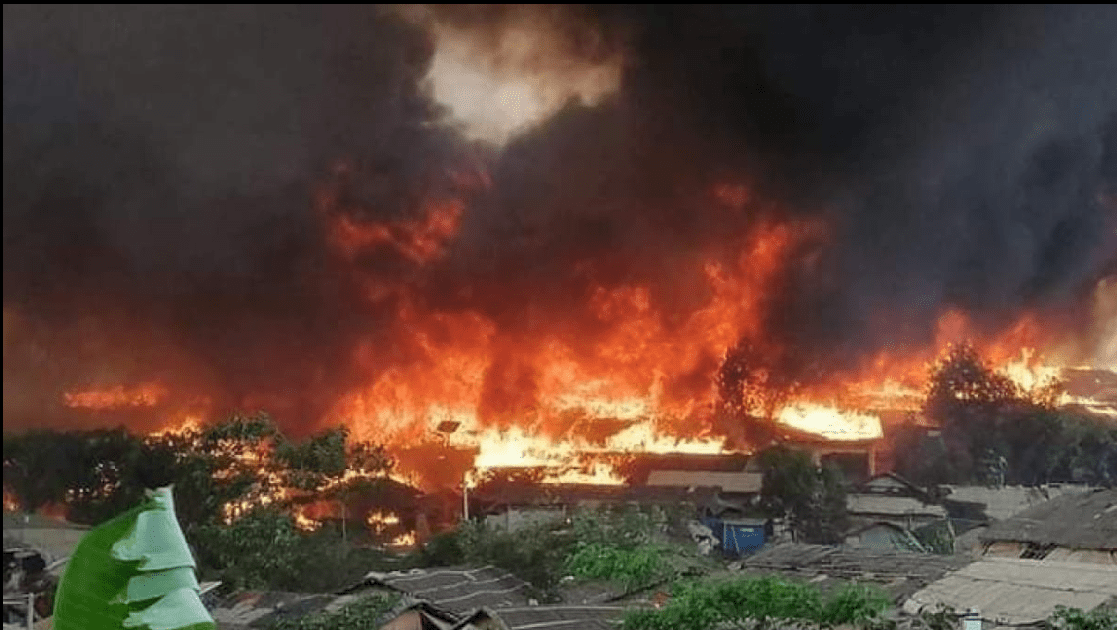
We monitor the human rights situation in the camps, Bangladesh, and Rakhine State in Myanmar, and expose uncovering facts. Through ground-breaking research, we produce reports and situation briefs to raise awareness among the international community and the general public, with the aim to promote and protect the rights of the Rohingya people.
At the Rohingya Human Rights Center (RHRC), our mission is rooted in the unwavering belief that every individual—regardless of ethnicity, religion, or nationality—deserves to live in dignity, with their fundamental rights upheld and protected. Our organization is dedicated to monitoring, documenting, and advocating for the human rights of the Rohingya people and other marginalized ethnic minorities who have endured decades of systematic persecution, discrimination, and statelessness.
We conduct regular and rigorous monitoring of the human rights conditions in the Rohingya refugee camps in Bangladesh, particularly in Cox’s Bazar, as well as in the conflict-ridden Rakhine State of Myanmar. These regions have been the epicenters of grave human rights violations, including the 2017 mass atrocities committed by the Myanmar military, which led to the forced displacement of over 900,000 Rohingya people into Bangladesh.
Our work involves direct engagement with affected communities, including interviews, field surveys, and eyewitness accounts. By building trusted relationships with refugees, community leaders, and local actors, we are able to gather first-hand data that would otherwise remain hidden. We meticulously verify each piece of information, knowing the importance of credibility when speaking truth to power.
With this data, we publish research-based reports, policy briefs, and situation updates that shed light on the lived experiences of the Rohingya—stories of survival, resilience, loss, and hope. These publications often become key resources for international bodies such as the United Nations, humanitarian organizations, academic researchers, and human rights advocates around the globe. Our reports provide clear, factual narratives supported by interviews, photographic evidence, and statistical data to expose the harsh realities faced by Rohingya communities both in exile and within Myanmar’s borders.
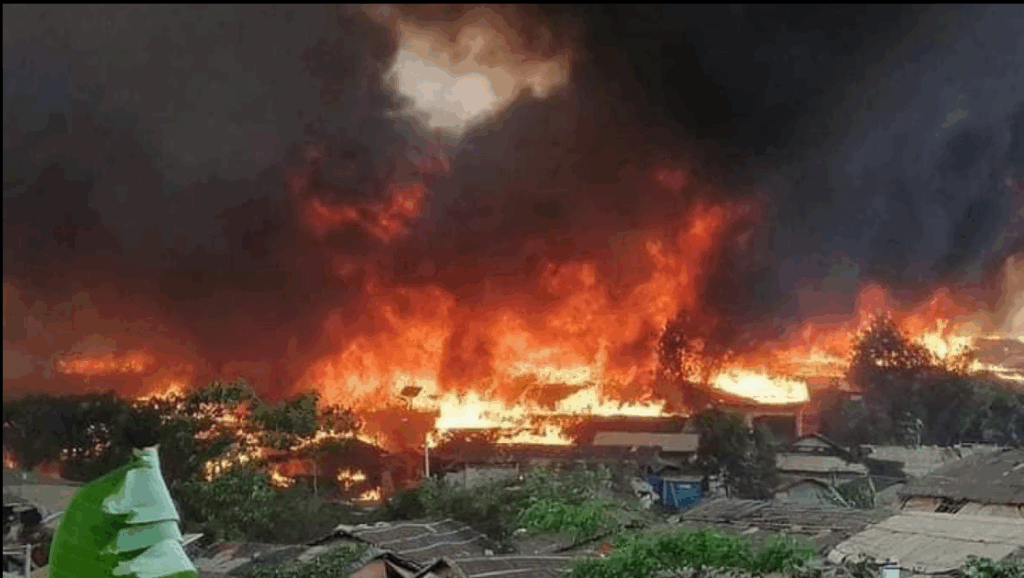
Our aim is not only to document but to inspire action. By exposing human rights abuses—ranging from restricted movement, denial of education and healthcare, gender-based violence, lack of legal status, and arbitrary detention—we press the international community to act on its promises. We advocate for policy change at national and global levels, including calls for justice and accountability, inclusive humanitarian aid, the restoration of citizenship rights, and the protection of Rohingya identity and heritage.
In the refugee camps of Bangladesh, we also monitor socio-political developments that affect refugees’ daily lives. From the impact of restricted access to education and employment to issues around security, trafficking, and rising despair among youth, we highlight the structural challenges that contribute to a cycle of dependency, exclusion, and vulnerability. Our research has also focused on the alarming increase in the mental health crisis among Rohingya refugees and the urgent need for trauma-informed care and community-based support systems.
In addition to current challenges, we pay particular attention to education rights, as the absence of certified schooling has left hundreds of thousands of children at risk of becoming a lost generation. In a recent report, we examined the scale-up of the Myanmar Curriculum Pilot in refugee camps and the controversial ban on Rohingya-run private schools, which previously offered secondary-level education. Our findings not only exposed gaps in access and quality but also provided actionable recommendations to government and humanitarian stakeholders.
Meanwhile, inside Myanmar—especially in Rakhine State—we track human rights violations against the remaining Rohingya population, including unlawful detentions, travel restrictions, land confiscation, and continued discrimination. Even under the shadow of the military junta, where press freedom and civil liberties have been severely restricted, we strive to amplify the voices of those silenced by fear and repression.
We recognize that the path to justice and lasting peace is long and complex. That’s why our advocacy is both evidence-driven and rooted in solidarity. We work alongside Rohingya community members, grassroots organizations, and international human rights defenders to ensure that our strategies are inclusive, culturally sensitive, and aligned with the aspirations of the people we serve. We believe in empowering Rohingya youth, especially girls and women, to take leadership roles in advocacy, education, and peacebuilding. Their stories, insights, and activism shape the foundation of our work.
As a watchdog organization, we hold duty-bearers accountable, from state actors to humanitarian agencies. We call for transparency in aid distribution, protection from corruption, and respect for refugee rights in decision-making processes. Our ultimate goal is to ensure that the Rohingya are not treated as passive recipients of aid but as active agents in shaping their future.
To do this effectively, we are constantly building partnerships with journalists, academic institutions, and legal experts to strengthen the impact of our findings. We present our research at global conferences, participate in UN forums, and collaborate on cross-border campaigns that promote justice, reconciliation, and safe repatriation—only when it is voluntary, safe, dignified, and informed.
None of this work would be possible without the courage of those who share their testimonies, the dedication of our field teams, and the support of allies across the world. In times when misinformation and political silence threaten to erase the struggles of the Rohingya, our commitment remains firm: to tell the truth, to demand justice, and to stand in solidarity.
As we continue this journey, we invite you—whether you are a policymaker, journalist, educator, student, or concerned citizen—to learn more, speak out, and take action. Because human rights are not optional, and dignity is not negotiable.
Visit RHRC to read our latest reports, support our advocacy, or join our mailing list for urgent updates and campaigns. Together, we can keep hope alive and help build a future where the rights of the Rohingya are finally recognized and respected.