Cox’s Bazar, Bangladesh — 28 February 2025
The living conditions of the Rohingya people in Myanmar’s Rakhine State and in refugee camps in Bangladesh continue to worsen. Ongoing political instability, violence, and shortages of humanitarian aid have made survival increasingly difficult for the Rohingya population. Experts and human rights organizations are expressing deep concern, warning that the future has become even more uncertain.
Ongoing Conflict in Rakhine
In Myanmar’s Rakhine State, ongoing clashes between the military and armed groups have put the lives of the Rohingya community at grave risk. Local sources report that many Rohingya villages have been attacked, forcing civilians to flee once again.
“We are going through another terrifying time,” said a Rohingya woman who recently fled from Rakhine. “The homes we had just managed to rebuild have been destroyed again.”
According to the United Nations, escalating violence and human rights violations have displaced thousands of Rohingya once more. Access to food, medical aid, and basic security has reached critical levels.
Worsening Conditions in Refugee Camps in Bangladesh
In Bangladesh’s refugee camps, especially in Cox’s Bazar, conditions have deteriorated sharply. Basic services such as shelter, food, healthcare, and education have seen significant shortfalls.
A major reduction in international donor funding has led to a severe humanitarian crisis. The World Food Programme (WFP) has already cut food rations, making it increasingly difficult for many Rohingya families to meet their daily needs.
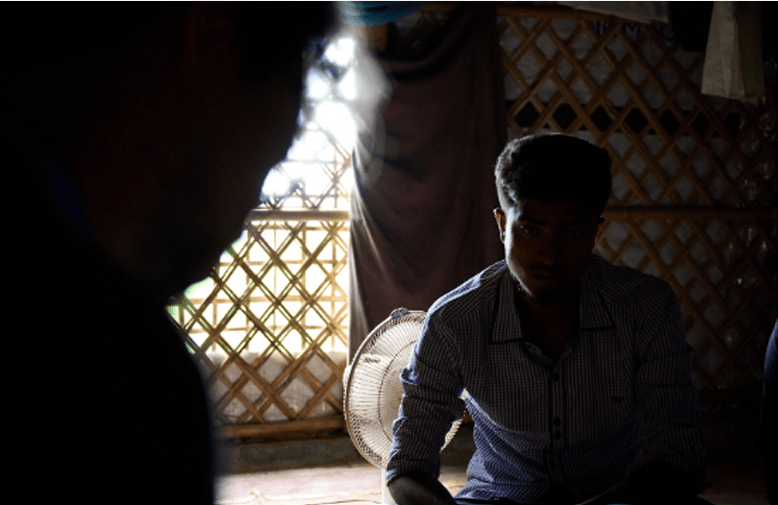
“We could barely survive on the previous rations, now it has been halved,” complained a young Rohingya man from Balukhali camp.
Criminal activities, violence, and internal rivalries among armed groups like ARSA have also surged within the camps, making everyday life even more dangerous for ordinary Rohingya refugees.
An Uncertain Future
The hope for safe repatriation to Rakhine remains bleak. Meanwhile, in Bangladesh, there has been little progress towards finding a long-term solution. Due to the lack of educational and employment opportunities, a growing number of Rohingya youths are falling into despair.
The UN Refugee Agency (UNHCR) warned in a recent statement, “Prolonged displacement without sustainable solutions will only exacerbate humanitarian and security risks.”
Experts caution that without swift and coordinated action, the crisis may spiral further out of control across the region.
Bangladesh’s Role and International Response
The Government of Bangladesh continues to assert that the ultimate solution is the safe, dignified, and voluntary repatriation of Rohingya refugees. However, ongoing instability in Rakhine has stalled any meaningful repatriation efforts.
Meanwhile, members of the international community, including the United States, the European Union, and various international organizations, have pledged additional humanitarian assistance to support the Rohingya.
Nevertheless, on the ground, the situation remains extremely challenging, with no clear resolution in sight.
Conclusion
The flames of conflict in Rakhine and the despair of refugee camps in Cox’s Bazar are squeezing the lives of the Rohingya from both sides. Access to food, safety, education, and dreams for a better future are all in jeopardy. The struggle for survival continues, but how long it will last or what the ultimate outcome will be remains unknown.